
Unmasking the Evolution of Movie Soundtracks: A Comprehensive Guide
By Carmen Silva · · 6 min read
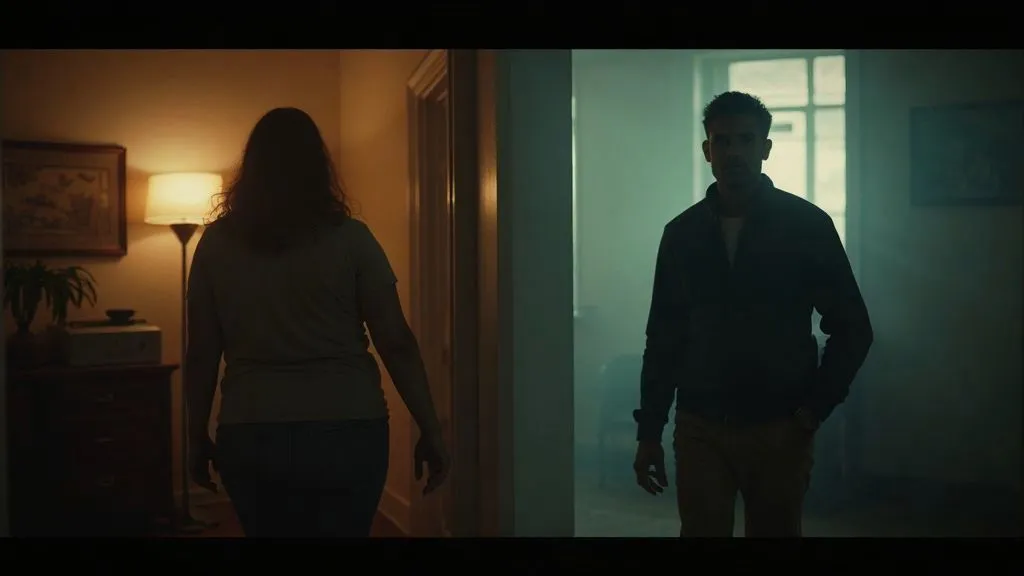
When you think of movie soundtracks, what comes to mind? Iconic themes that echo in your ears? Emotional crescendos that tug at your heartstrings? The world of movie soundtracks is much more than just background music; it is a powerful storytelling tool that has evolved dramatically over the decades. In this article, we’re going to explore the fascinating journey of cinema soundtracks, their role in enhancing storytelling, and how they have shaped the emotional landscape of the films we adore.
The Origins of Movie Soundtracks
The relationship between music and film began almost simultaneously with the birth of cinema itself. As silent films graced the silver screen in the late 19th and early 20th centuries, music played a crucial role in setting the mood and enhancing the storytelling experience.
-
Early Cinema (1890s-1920s): Silent films were often accompanied by live music, played by pianists or small orchestras in theaters. Composers like Scott Joplin wrote ragtime pieces, and classical composers such as Camille Saint-Saëns provided arrangements to elevate the viewing experience.
-
The Arrival of Sound (1927): The landmark film “The Jazz Singer” introduced synchronized sound, changing the landscape of movie soundtracks. Audiences could now hear actors speaking and singing, allowing for a new dimension of storytelling.
Key Data Point
By the early 1930s, nearly 90% of films incorporated sound, marking the transition from silent films to “talkies.”
The Golden Age of Film Scores
The 1930s to 1950s is often referred to as the Golden Age of film scores. Renowned composers began to emerge, crafting memorable scores that became synonymous with the films themselves.
-
Max Steiner: Known for his work on “Gone with the Wind” (1939) and “Casablanca” (1942), Steiner pioneered the use of orchestral music to signify character emotions and plot developments.
-
Bernard Herrmann: Famous for his collaboration with Alfred Hitchcock, Herrmann composed the score for “Psycho” (1960), featuring the iconic screeching violins that heightened the tension in the infamous shower scene.
The Influence of Soundtracks on Audience Emotion
Research by neuroscientists has shown that music can trigger emotional responses in viewers. A study conducted at the University of Southern California found that film scores could evoke stronger emotional reactions than visual storytelling alone.
The Rise of the Soundtrack Album
As the film industry expanded, the soundtrack album emerged as a separate entity, allowing music lovers to enjoy the scores outside the theater.
-
“West Side Story” (1961): The soundtrack features songs like “Tonight” and “Somewhere,” making it one of the best-selling soundtracks of all time. The integration of pop music into film also began during this era.
-
The 1970s and 1980s: This was a revolutionary period for movie soundtracks where pop and rock music became integral parts of the film experience. Soundtracks for films like “Saturday Night Fever” (1977) and “The Bodyguard” (1992) topped charts, proving that soundtracks could be as commercially viable as the films themselves.
Notable Soundtrack Statistics
- “The Bodyguard” soundtrack sold over 45 million copies worldwide, becoming one of the best-selling albums of all time.
- “Guardians of the Galaxy” (2014) saw a resurgence in interest for classic songs, demonstrating how soundtracks can reignite cultural trends.
The Modern Era: Innovative Approaches to Soundtracks
Today, the role of soundtracks continues to evolve. Filmmakers are now blending genres and exploring unconventional musical choices to create unique soundscapes.
The Impact of Technology
The advent of digital technology has transformed soundtrack production. Composers can now blend sounds from various sources, creating complex and layered auditory experiences.
-
Hans Zimmer: A pioneering figure in modern film scoring, Zimmer’s work on “Inception” (2010) utilized innovative techniques, such as the “braaam” sound, which has become a hallmark of cinematic trailers.
-
Ludwig Göransson: His work on “Black Panther” (2018) seamlessly combined traditional African music with orchestration, introducing global sounds to mainstream cinema and showcasing the potential of diverse musical influences.
Streaming Platforms and Soundtrack Accessibility
The rise of streaming platforms like Spotify and Apple Music has transformed how audiences consume movie soundtracks. Listeners have easier access to curated playlists and can enjoy scores and songs from their favorite films anytime.
Data Point: According to a report by the Recording Industry Association of America, digital streaming accounted for 80% of music revenue in 2022.
The Role of Soundtracks in Storytelling
Movie soundtracks serve various functions in films, enhancing narratives and deepening emotional connections. Here are some key roles that soundtracks fulfill in storytelling:
Establishing Mood and Atmosphere
The right soundtrack can establish the tone of a film from the moment the audience enters the theater. A haunting score can evoke suspense, while a cheerful tune sets a lighthearted mood.
- Example: The use of minimalist piano in “The Pianist” (2002) creates an atmosphere of desolation and despair, encapsulating the protagonist’s struggles during World War II.
Character Development
Music can reflect a character’s emotional state or growth throughout the film. Composers often use recurring motifs associated with specific characters to signify their journey.
- Example: The character of Darth Vader in “Star Wars” is often accompanied by a powerful brass theme, symbolizing his imposing presence and complex nature.
Enhancing Key Moments
Soundtracks elevate pivotal scenes, adding depth and resonance to memorable moments. Think of how a climactic score can amplify a romantic confession or a tense showdown.
- Example: The score in “Titanic” (1997) swells during the iconic scene of Jack and Rose at the bow of the ship, creating an unforgettable cinematic moment.
Collaborations: Directors and Composers
The relationship between directors and composers is crucial in crafting impactful soundtracks. Their collaboration often leads to iconic musical moments.
-
Quentin Tarantino and Ennio Morricone: Their partnership yielded memorable scores, such as Morricone’s work in “The Hateful Eight” (2015), which won the Academy Award for Best Original Score.
-
David Lynch and Angelo Badalamenti: Their collaboration has produced eerie and haunting soundtracks, enhancing Lynch’s distinctive surrealist style in films like “Blue Velvet” (1986).
The Cultural Impact of Movie Soundtracks
Beyond the confines of cinema, soundtracks have permeated broader cultural landscapes. They inspire fashion trends, influence popular music, and often shape public discourse.
Soundtracks and Fashion Trends
The song selections in films can create fashion trends and revitalize styles from different eras.
- Example: “A Star is Born” (2018) brought back the glam rock aesthetic, inspiring fashion designers and influencers with its vibrant visuals and music.
Soundtracks as Political Statements
Music in film has the power to comment on social and political issues. Soundtracks can become rallying cries, resonating with audiences on a deeper level.
- Example: The score for “Selma” (2014) by Jason Moran played a vital role in enhancing the film’s poignant themes surrounding civil rights.
Analyzing the Future of Movie Soundtracks
As we look ahead, the future of movie soundtracks appears promising. With advancements in technology and an increasingly globalized perspective on music, the potential for innovation is boundless.
Interactive Soundtracks
The rise of virtual reality (VR) and interactive narratives might shape the way soundtracks are created and experienced. Imagine a film in which the audience can influence the score based on their choices!
Expanding Genres
As filmmakers continue to push boundaries, we can expect to see even more eclectic soundtracks that blend genres and cultures, creating fresh auditory experiences.
Conclusion
The world of movie soundtracks is a captivating realm filled with history, emotion, and innovation. From the early days of silent films to the modern era of digital sophistication, soundtracks have significantly shaped our viewing experiences. They enhance storytelling, evoke emotions, and connect audiences to the films we love. As we venture into the future, one thing is certain: soundtracks will continue to evolve, pushing the boundaries of creativity and inspiring generations to come. Embrace the power of music in film next time you watch your favorite movie, and let it carry you on a journey like no other!