
Reviving the Live Entertainment Experience: Solutions for a Post-Pandemic World
By Carmen Silva · · 5 min read
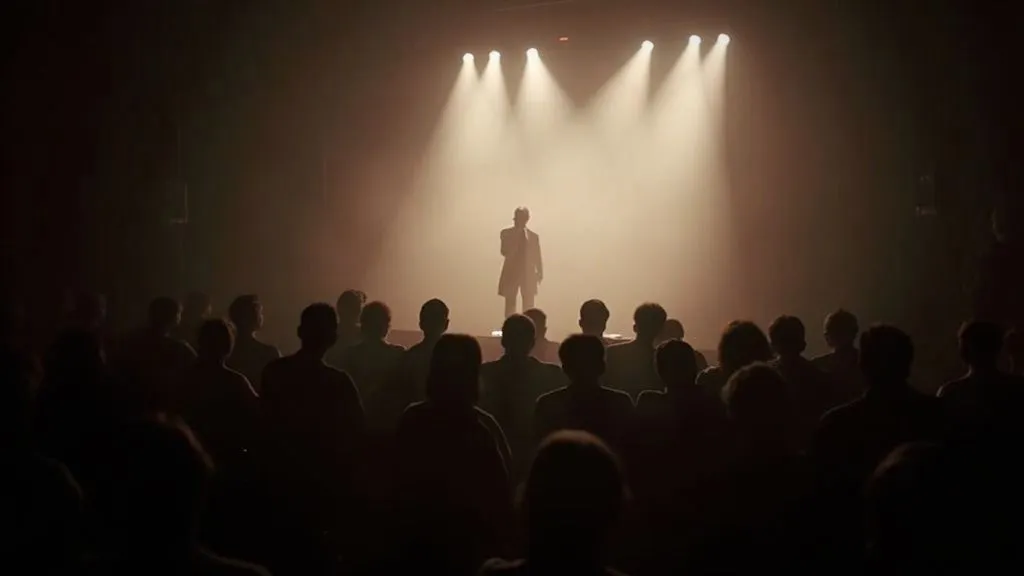
The live entertainment experience has historically been a powerful aspect of how we enjoy music, theater, and art. However, the pandemic threw a wrench into this cherished tradition, forcing many to rethink how audiences engage with performances. As we emerge from lockdowns and social distancing measures, it’s imperative to address the challenges facing live entertainment and explore innovative solutions that can rejuvenate this vibrant sector.
Understanding the Challenges
The live entertainment industry was significantly impacted by the COVID-19 pandemic. According to a report from the National Independent Venue Association (NIVA), around 90% of independent venues reported being at risk of closing permanently due to the financial strain imposed by the pandemic. This harsh reality highlights the urgent need to revive the live entertainment experience.
-
Financial Struggles: Many venues lost an entire year of revenue, pushing them to the brink. The industry saw a 75% drop in revenue in 2020, which has understandably affected artists, crew, and countless support staff.
-
Health and Safety Concerns: Even with reopening, audience apprehension about health and safety remains a critical issue. Attendees are looking for reassurance that their well-being is prioritized.
-
Changing Audience Preferences: The pandemic has altered how audiences perceive entertainment. With the rise of streaming and virtual events, many wonder if they should return to live shows.
The Road to Revitalization
Despite these challenges, solutions are emerging that promise to reinvigorate the live entertainment experience. Let’s explore some of the most notable approaches that are paving the way for a more resilient and engaging return to live performances.
1. Enhanced Safety Protocols
The first step in building audience confidence is ensuring their safety. Venues are implementing comprehensive health measures to make attendees feel secure as they return to performances.
- Vaccination and Testing Policies: Many productions, like those on Broadway, have introduced vaccination requirements to enter venues. According to The New York Times, this policy has helped increase ticket sales and bolster audience confidence.
- Contactless Technology: From ticket purchasing to ordering refreshments, contactless technology minimizes physical interaction. This not only enhances safety but also streamlines the overall experience.
2. Hybrid Events
As the popularity of virtual gatherings has surged, many organizers are combining live and virtual elements to cater to wider audiences. This hybrid model allows for greater flexibility and accessibility.
- Broader Reach: Hybrid events can draw in audiences who may not be able to attend in person due to distance, health concerns, or financial constraints. A report from Eventbrite found that 80% of event organizers say hybrid events will be a permanent fixture.
- Interactive Elements: Virtual attendance can involve unique interactive features like live Q&As with performers and backstage tours, enhancing audience engagement.
3. Community Engagement
Rebuilding the live entertainment experience requires strong community ties. Venues and organizers are focusing on local engagement through partnerships and outreach initiatives.
- Local Artist Showcases: Independent venues are showcasing local talent to draw community support. This strategy not only supports local artists but also fosters a sense of community ownership over the venue.
- Community Events: Organizing festivals or gatherings that celebrate local culture can help reinvigorate interest and attendance in live events.
4. Innovative Marketing Strategies
As competition from streaming services intensifies, marketing strategies must evolve to effectively communicate the value of live performances.
- Storytelling: Crafting narratives around performances can foster emotional connections. Fans are more likely to attend when they feel invested in an artist’s journey or the story behind a show.
- Targeted Advertising: Utilizing social media and data analytics can facilitate targeted marketing. Brands can reach potential attendees based on their preferences and past engagement.
Expert Perspectives
To gain insight into the challenges and solutions in the live entertainment sector, I spoke with industry experts:
Matthew D. Sunshine, Music Industry Analyst
“There’s no denying that the pandemic has altered the landscape of live entertainment. However, the resilience of this industry is remarkable. Artists and organizers are adapting, finding new ways to connect with audiences. It’s about taking the lessons learned during the pandemic and applying them creatively.”
Sarah Johnson, Venue Manager
“Safety remains our top priority. We’ve seen a significant increase in ticket sales after implementing health guidelines. People want to experience live performances again; they just need assurance that it’s safe to do so.”
Case Studies: Successful Revivals
Several venues and festivals are leading the way in reviving the live entertainment experience. Here are some exemplary case studies:
1. Coachella 2022
After a two-year hiatus, Coachella returned with enhanced safety measures like vaccination verification. The festival implemented a hybrid approach, streaming performances online, which led to record attendance. According to Billboard, the event contributed over $1 billion to the economy.
2. The Apollo Theater
The historic Apollo Theater in Harlem launched the “Apollo Live Wire” program, showcasing local artists and musicians through hybrid events. This initiative not only aided in their recovery but also reaffirmed their commitment to local talent.
3. Broadway’s Comeback
Broadway’s reopening included innovative approaches such as “The Broadway Vaccination Drive,” where attendees could get vaccinated at the venue. This initiative dramatically increased audience turnout and illustrated the importance of community-focused solutions.
Future Trends in Live Entertainment
Looking ahead, the landscape of live entertainment will likely continue to shift. Here are some trends to watch for:
- Sustainability Initiatives: Venues are placing greater emphasis on eco-friendly practices, from waste management to energy-efficient lighting.
- Augmented and Virtual Reality: Technology will continue to enhance the live experience, offering fans immersive ways to engage with performances.
- Diverse Programming: As the industry broadens its focus, expect to see more inclusive programming that caters to diverse audiences.
Conclusion: A Bright Future Ahead
Reviving the live entertainment experience is no small feat, but with innovative solutions and a community-focused approach, the path forward is promising. As venues and performers adapt to this new landscape, audiences are bound to find renewed joy in the magic of live events.
Embracing technological advancements, prioritizing health and safety, and fostering community engagement will be crucial in revitalizing this cherished tradition. The live entertainment experience has endured through challenges and will thrive, bringing people together once more. Together, we can emerge stronger, more united, and more passionate about the shared joy that only live performances can offer.
For more insights into the live entertainment sector, check out the National Independent Venue Association for resources and updates on independent venues across America.